
Desert & memory
Aral Sea
Karakalpakstan
In Karakalpakstan, the former port of Muynak with its ships stranded in the sand, the Savitsky Museum in Nukus and the Mizdakhan necropolis tell one of Central Asia’s most remarkable stories.
Endless horizons, yurts by the shore and the story of a sea that retreated.
Travel insight
Aral Sea- Best season
- All year · ideal in spring & autumn
- Travel type
- Nature & history
- Key attractions
- Muynak · Savitsky Museum · Mizdakhan
Desert & memory
Aral Sea
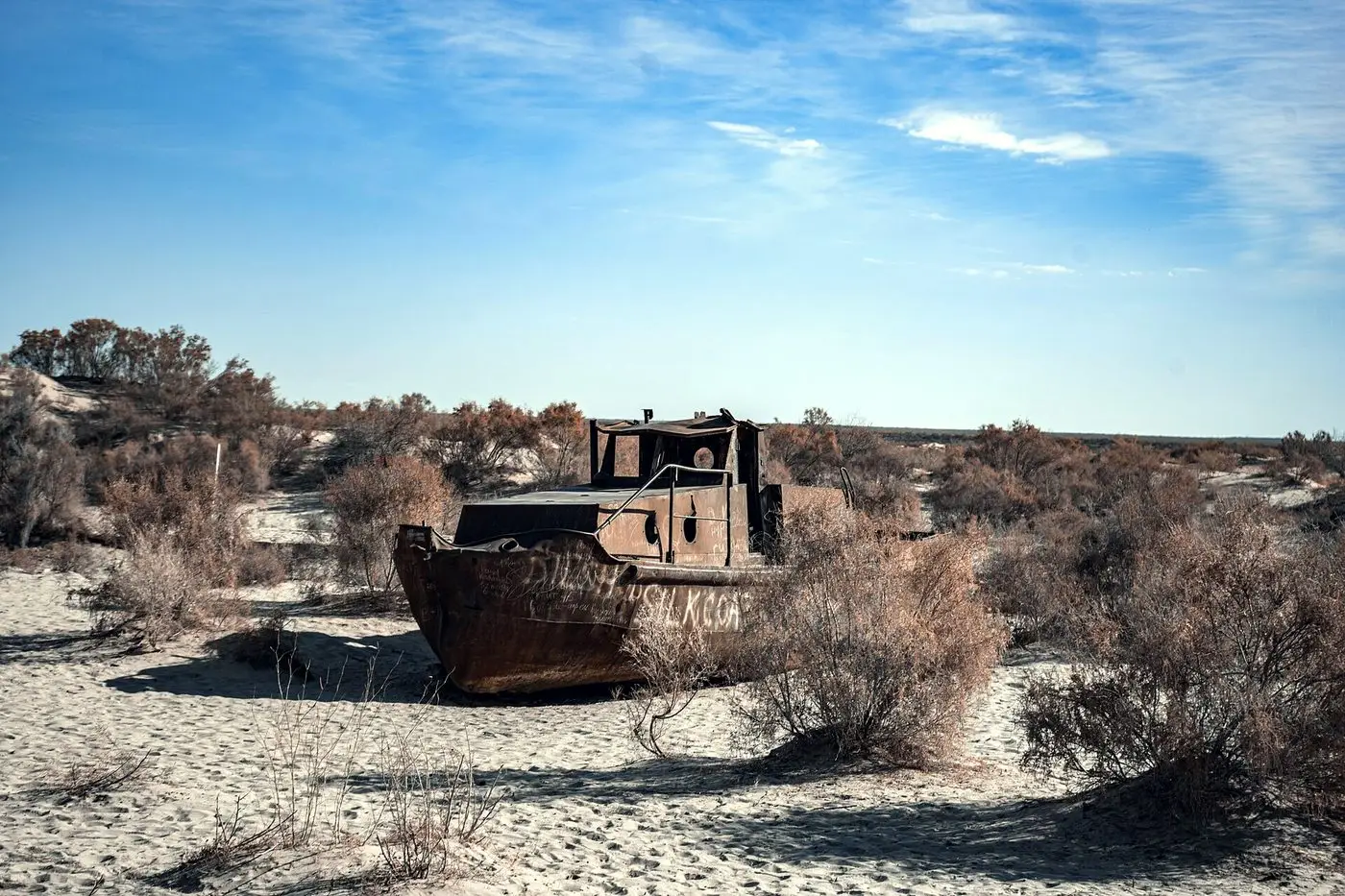
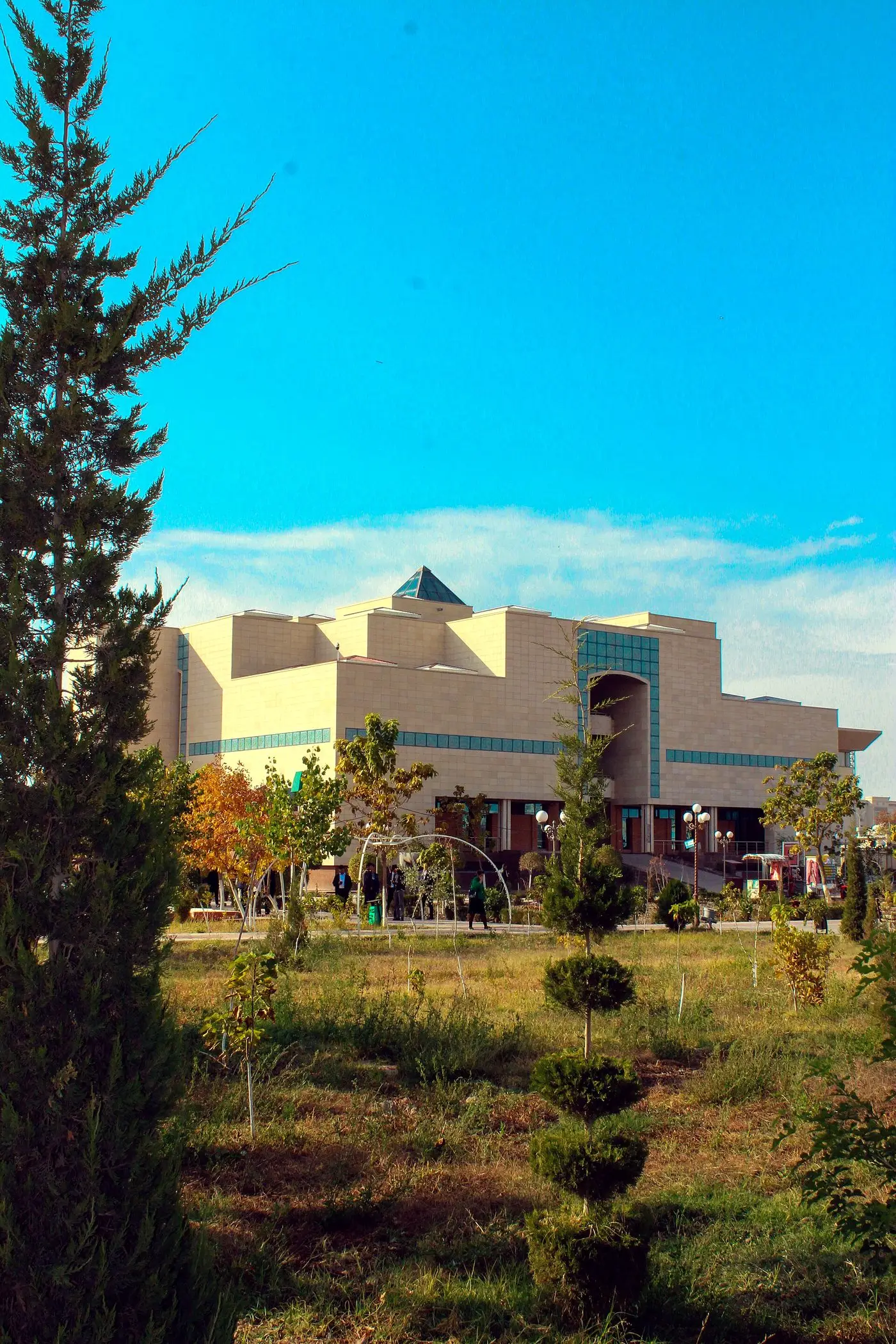
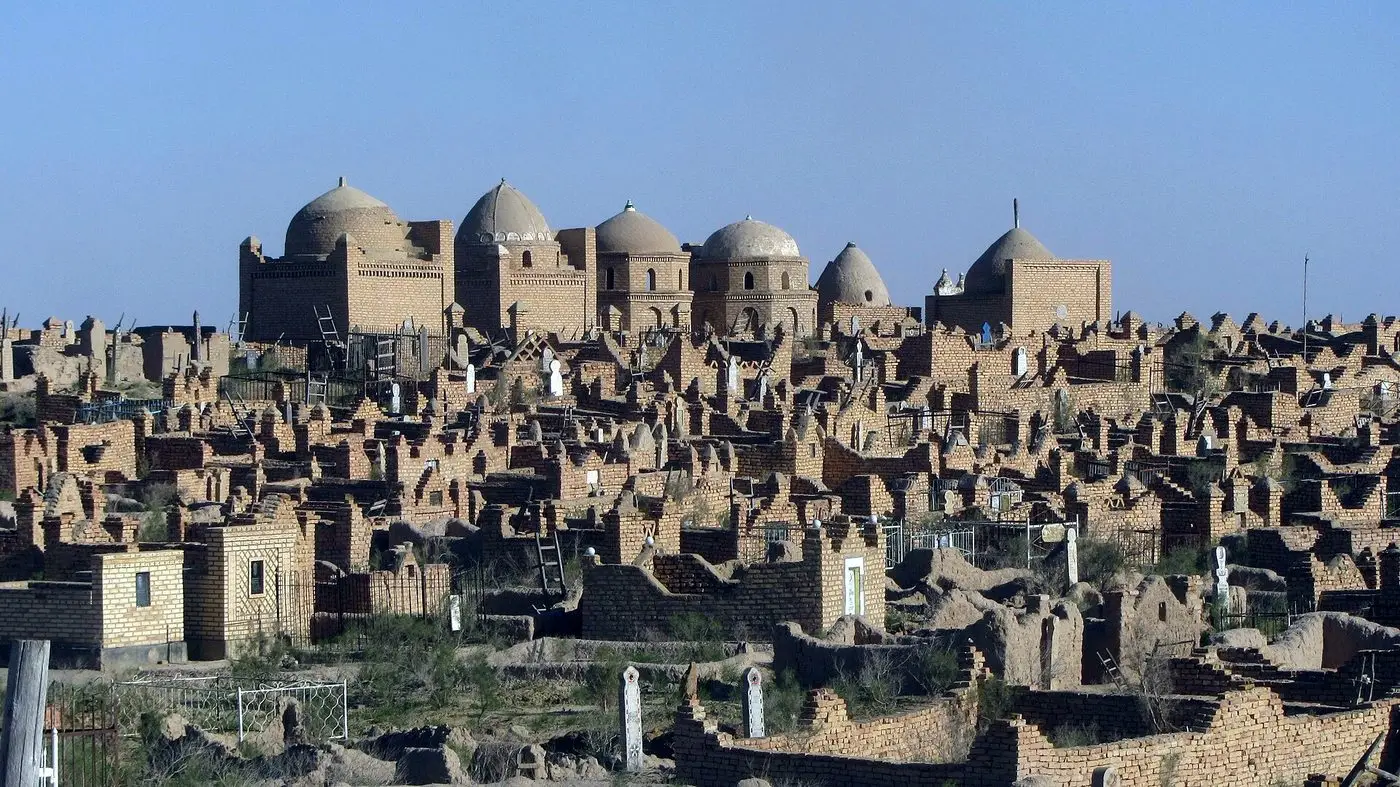
The Aral Sea was one of the world’s largest lakes until, from the 1960s, the diversion of the Amu Darya and Syr Darya rivers for irrigation drastically reduced its surface. Today Muynak, a former fishing port, keeps a ship cemetery and a museum dedicated to the sea. In Nukus, the capital of Karakalpakstan, the Savitsky Museum holds one of the world’s most important collections of Russian avant-garde art, and near Khodjeyli stands the Mizdakhan necropolis.
Top experiences
Aral memory
Muynak ship cemetery
Fishing boats stranded on the sand of the former seabed.
Art
Savitsky Museum, Nukus
A major collection of Russian avant-garde and Karakalpak art.
Heritage
Mizdakhan necropolis
Mausoleums and mud-brick domes on a hill near Khodjeyli.
Good to know
The sea that withdrew
At 68,000 km² it was the world’s fourth-largest lake. From the 1960s its rivers were diverted for irrigation and the shore moved away.
Sea of islands
The name means roughly “sea of islands”: there were once more than 1,100. Today the way to the shore crosses the former seabed.